Bottle or tumbler? A practical guide to choosing and caring for drinkware
Choose around your bag, desk and cleaning routine. Understand capacity, lids and insulation without relying on big temperature claims.
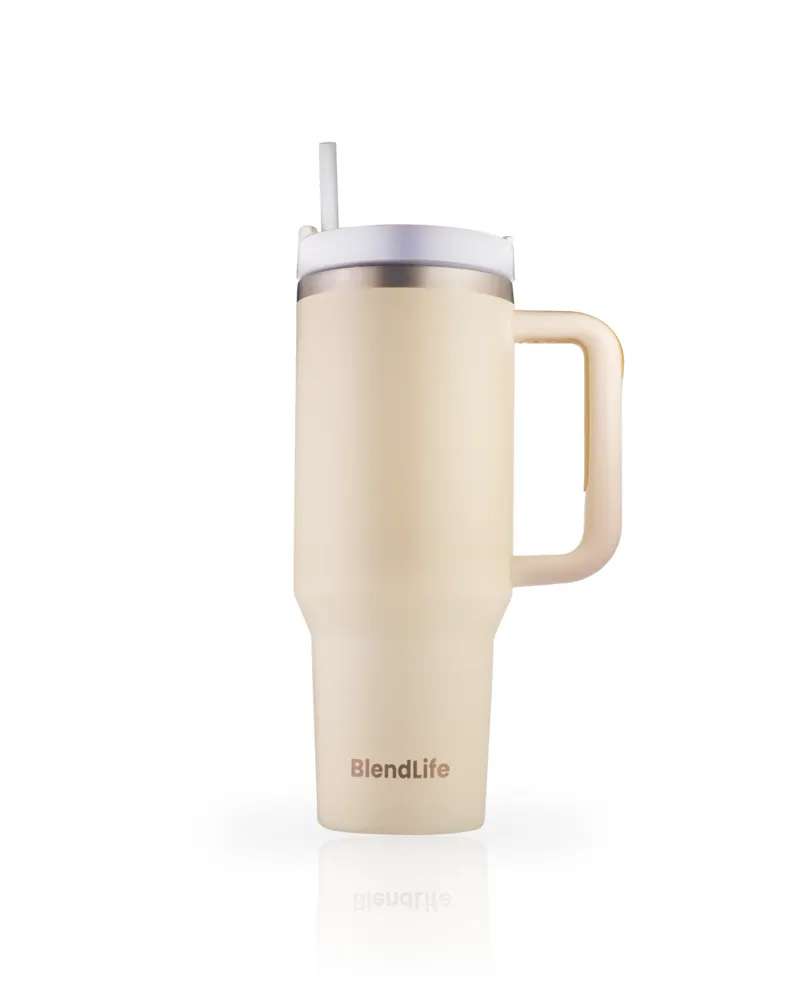
A bottle spends time in a bag. A tumbler often lives on a desk or travels in a cup holder. Those simple differences matter more than picking the biggest capacity or the boldest temperature claim.
The quick answer: choose a lid and shape that fit how you carry the drink, then check capacity, cleaning access and the exact care instructions. Insulated does not automatically mean leakproof or suitable for every drink.
Start with where it will go
For a bag, examine the closure, seal and the product’s stated carrying instructions. A straw opening can be convenient at a desk but may need a different approach during transport. Do not assume a large handled tumbler can be laid on its side without leaking.
For a commute, check the physical dimensions against your cup holder or bag pocket. Capacity alone does not tell you whether a bottle will fit. For a child’s bottle, consider the listed age and use guidance, how easily the child can operate the lid and whether an adult can clean every part.
Capacity includes the drink you will actually carry
A larger volume can reduce refills, but liquid adds weight. Consider whether you want one large container or a smaller one you refill. Leave the headspace required by the product instructions, especially around the lid and straw mechanism.
Check the exact version and variant. Two products with similar names can have different lids, handles or accessories. The current included-items list is a better reference than a photo of a different version.
Understand what insulation can and cannot do
Insulation slows heat transfer. The actual result depends on starting temperature, fill level, opening frequency and the surrounding conditions. It does not make a drink stay at one exact temperature indefinitely.
Read any model-specific temperature and drink restrictions. Be careful with hot drinks, particularly around children. A straw lid or sealed design may have stricter instructions than an open cup. Do not put an insulated metal container in a microwave.
Clean the lid as carefully as the body
The small parts deserve attention: straws, seals, valves and drinking spouts. A quick rinse of the main body is not a complete cleaning routine. Follow the guide for disassembly, cleaning agents and whether any part is dishwasher-safe.
- Empty the container after use.
- Separate the parts that the guide permits you to remove.
- Clean the body, lid, straw and accessible seals as directed.
- Rinse thoroughly and allow the parts to dry.
- Reassemble the seals correctly before the next fill.
Inspect seals for damage or poor seating if you notice a leak. Use compatible replacement parts for the exact model. Do not force a lid from another bottle onto a similar-looking opening.
A desk-to-door checklist
- Is the lid intended for the way you carry the drink?
- Does the body fit your bag pocket or cup holder?
- Can you reach and clean all the drinking parts?
- Have you checked hot-drink and other use restrictions?
- Are the included accessories and warranty clear?
Compare the BlendLife tumbler range and kids’ bottles. For model-specific details, open Tumbler V3 or the Ramayana kids’ bottle. Check the current product page and supplied guide before use, and ask support if a lid or cleaning instruction is unclear.